The official blog for The Source Center, an individualized therapy and education service.

And we’re live!
The official blog for The Source Center, an individualized therapy and education service.
Wishing everyone a happy and healthy New Year!
Ways to keep sane at the beginning of the new year.
Add to your own list of kindness to self and others. Remember the Golden Rule. It works.
1. Remember that the only thing you can control is the way you react.
Remember in families and social gatherings there will be people who say things that seem thoughtless to you or off hand remarks that are taken the wrong way. Family or friends might bring up sensitive subjects you don’t want to discuss. Be prepared to deflect their comments and re-direct conversations when you need to do it rather than confront them at the time.
2. Get some air.
Just being able to take a break from the stress of too much stimulation is important for your well-being and to re-charge yourself. Take time to check-in with yourself so you don’t end up checking out unintentionally.
3. Keep your normal sleep schedule.
This will help you stabilize your mood to be able to keep a check on how your mood is being affected by the change in your routine. Adjustments can be made when you are aware of what you are feeling and how the situation is affecting you whether being a guest or having guests.
4. Keep your expectations low.
Plan only for the unexpected to happen and then it will come true. Work on acceptance of what is happening as part of the ritual of life that will become the stories to re-tell later when everyone laughs about the memories.
5. Try to enjoy yourself.
Focus on the positive. See how the small moments can bring you pleasure. Singing songs helps you breathe fully, even if the sound if off key, it doesn’t matter. Enjoy the moment.
My hours of service are flexible to meet the needs of differing work schedules, childcare needs, transportation, and health issues. However, please be mindful of over flexing this time. I am the only provider you will be seeing at this office unless you are referred and want to see someone else. I answer the phone 24/7 unless someone has been appointed to cover on my behalf due to unavailability periodically. Because of privacy concerns and HIPPA regulations, please do not use technology for personal information other than immediate communication regarding appointment changes. Reports or letters containing personal information should be faxed, mailed, or hand delivered. Any emailed information should only be sent through a secure corporation with prior access to it.
You may text my phone to contact me at any time. If you want to ensure it reaches me in a timely manner follow it up with a call/voice message.
At our first session you will need to bring your authorization or insurance card. You will need to know your co-pay or deductible information. Usually co-pays are the same for medical and mental health services. I only provide outpatient services. You will need to provide personal information on a form for me to do the billing on your behalf and you will have to sign permission for me to do that. I also have an initial history form for you to fill out.
During the first session I will ask you what is bringing you to therapy and how I can help you. I will need some history around this issue, some medical history, and any other treatment you may have had for mental health in the past. This is all part of the initial assessment to see if I can be of help to you and if you feel comfortable enough to continue. We will identify an initial treatment goal and I will give some feedback about what I’m hearing you request. I might mention some approaches that we can utilize in your treatment and discuss any barriers that might come up for you.
I make appointments on a first come first serve basis, usually after each session. Some people like or need a certain time and that can be accommodated as needed. Others prefer to make a few appointments at a time to plan their schedules accordingly. I make appointments based on treatment need, sometimes further apart to work on exercises, sometimes several weekly and then bi-weekly. It will be based on your care needs. I have worked in Albuquerque for more than 25 years and many resources, so feel free to ask for referrals or recommendations to complement the services I provide.
Therapy is about you in relationship. It starts with learning how to have a relationship with yourself and finding a path to start that journey in relationship with your therapist so you can improve it with others in your life. I thank you for putting your trust in me to take that first step.
I provide psychotherapy services; individual, couples, and groups for adults ages 25 and older. Within those modalities I include psychosocial assessment and referral for services, crisis intervention, supportive therapy, psychoeducation, coordination of care, and some case management with advocacy. I take several Employee Assistance Program (EAP)plans and many of the major insurances. Self-pay is accepted on a sliding scale if needed.
Specialties include:
Anxiety Issues, Addictions, Healthcare with mental health issues, veterans and military issues, women and total health, life transitions, parenting, infertility, and identity issues. I also have extensive experience working with major mental illness for individuals and the impact it has on families. I specialize in helping individuals with multiple issues who feel overwhelmed. I have been trained in short term solution therapy, Recovery model, Acceptance and Commitment Therapy (ACT), Cognitive Behavioral Therapy (CBT), and STAIR model of relationship enhancement. I also employ Mind/Body modalities and longer term psychotherapies I have studied and practiced over the years.
My psychotherapy services work essentially the same way for any type of referral, unless there is a referral for a specific requirement though work, the court system or other institutional policy, and one’s choice for payment that require reporting. These issues are always discussed up front or when the information becomes available. Services are discussed based on need. Restrictions will not be the determining factor from the provider’s perspective to provide the same type of services needed for any therapy. However, it is important for the client to understand that agreement to speak with the referring entity may be a condition of treatment. For example, court ordered treatment needs certain types of reports, EAP services for mandatory treatment from the employer require that I don’t speak or provide any information directly to the employer, FMLA paperwork information may require me to report more information than I would normally want to share concerning the client’s health record. I will share this information with you.
I also want you to know that I write progress notes and not process notes with record keeping. There are no details recorded that aren’t pertinent to the treatment being provided. You may have access to your records at any time, they belong to you, something the Affordable Care Act provided in the overall change in healthcare services. The records mental health providers chart include our standards of practice and the standardization of medical health information required by legal entities. All healthcare providers are transitioning to standardization of recorded information and transparency of that information to you and other healthcare providers. If you have questions or concerns about your records, I will be glad to discuss that topic with you further.
Just because the administrative landscape of healthcare has changed in recent times, doesn’t mean the direct care one receives should have to change. How we do the business of healthcare isn’t the same as providing care, although insurance may have an influence on what services we can provide. No one’s personal needs have to be restricted by outside forces. As a private provider of mental health services, I have more options to explore and less barriers to finding those options with you.
There are other benefits to coming to see a solo practitioner. Your records are only available to the people you give direct permission to see them. I am not part of a system or institution where you give release of information to the organization for anyone working there to have access to your personal information. You get to choose the person you want to see, develop a relationship for a safe space to be seen and heard. I will listen to you and for your voice that is seeking help and guidance. My commitment to you is to be present to listen for your personal style and help you understand it better as a strength to build on the foundation of it, then to enhance for a more functional healthier self in the life you want to live. This may mean making change or learning how to accept who you are and what are your core values.
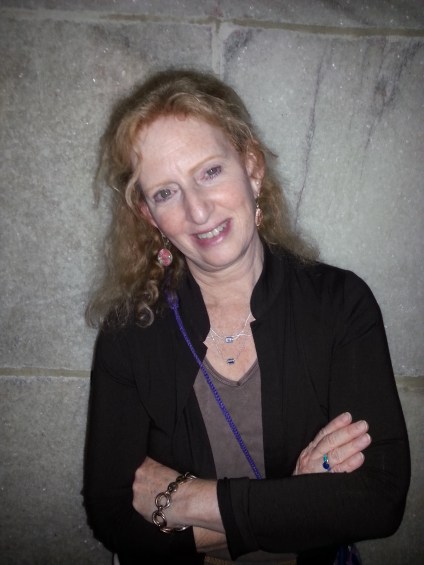
I am a clinical social worker. It took years of practice to refer the term as part of my identity. I was afraid that would be all people would know about me if I said “I am a social worker”. I felt there was so much more in my life as a creative person, inspired by friendships, nurtured by my supports. There were so many things I wanted to do and grow to be the person I want to become. Then I realized these were the reasons I chose to become a social worker, so I could continually grow, challenge, make mistakes and still be accepted. Being a social worker is more than a job, something one does 40 hours a week. It is part of our identity; our values, perception, the way we act and react with guiding principles rather than rules and regulations that define what or how we do things.
I have learned over the last few years as the NASW-NM ethics consultant that there are no single answers to life’s dilemmas. This has given me the freedom to be open and available to all ideologies and differences in people. I’m no longer afraid to be the person I am today, knowing that I might learn something new every day that could help me grow as a person and change all the time. My basic philosophy about practicing social work now is that I will seek to learn from every person I meet in my profession, and that I will continue to be challenged and creative in all my endeavors as a professional. I guess it wasn’t so much my seeking a way to identify myself, but rather a way to identify when I feel successful and happy in my life. I like my social work and it’s a part of who I am.
 Cynthia Sontag, MSWAC, LISW